





Table of Contents
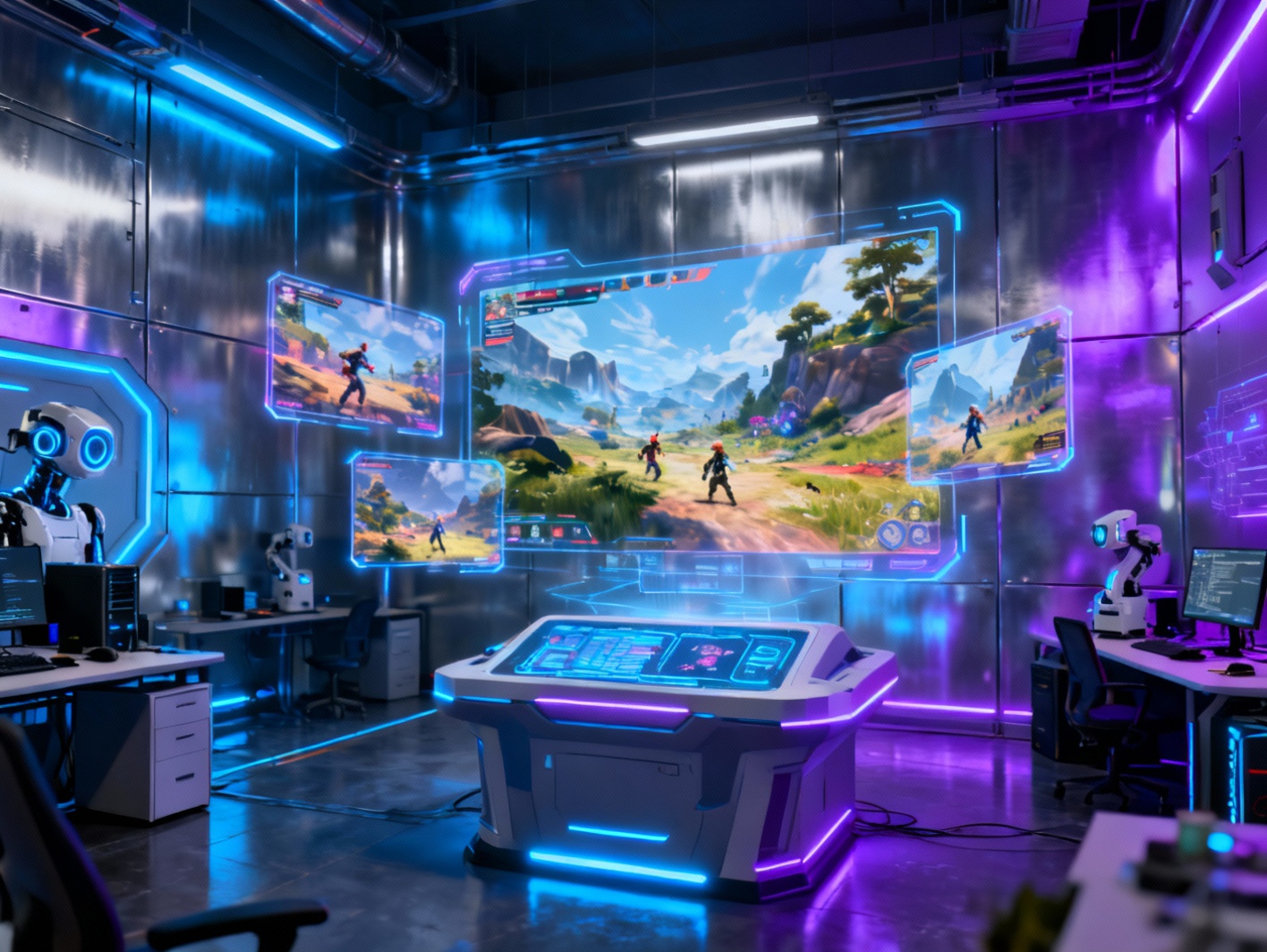
Larian Studios, the acclaimed developer behind the Divinity and Baldur’s Gate franchises, has recently ignited a passionate debate within the gaming community. The spark? Its announcement of a new Divinity game that incorporates generative AI during its early development phase. While technology continues to shape how games are made, this move has drawn both support and heavy criticism. The studio maintains that AI is being used only for non-final assets like temporary concept art and placeholder dialogue. Still, many fans and developers are questioning the long-term implications. In this article, we’ll examine Larian’s AI integration strategy, unpack the community’s reactions, and explore what this could mean for the future of game development as the lines between human creativity and machine assistance blur.
Larian Studios’ Announcement and AI Integration
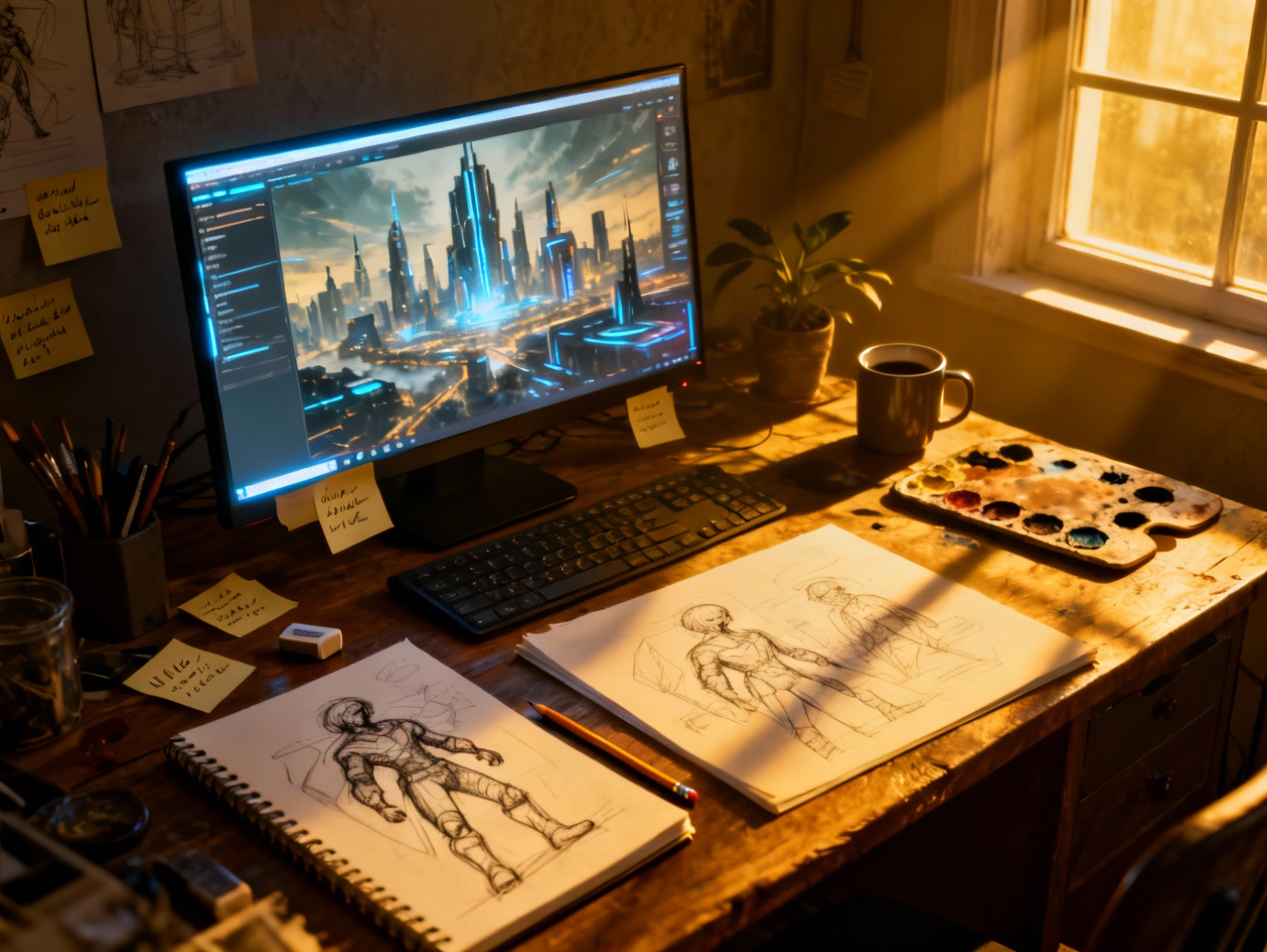
Larian Studios has officially announced that a new installment in its beloved Divinity series is underway. Alongside this major news, the studio confirmed that generative AI tools are being used during the ideation phase of development. According to the developers, AI is being utilized to generate early-stage content such as concept art and placeholder text. These tools help accelerate the brainstorming process, streamline artistic iterations, and assist in outlining narrative frameworks before writers and artists fully flesh them out.
Larian emphasized that none of the AI-generated content will appear in the final product and that these interim assets function more like rough sketches or planning drafts. The rationale, they say, lies in improving efficiency and freeing up human creatives to focus on more impactful tasks. Still, their openness about AI’s role—however limited—has set off a larger conversation about creativity, authenticity, and the intrusion of artificial systems into the arts. By disclosing their use upfront, Larian hoped to demonstrate transparency, but this honesty has led to complex discussions that they may not have anticipated.
Immediate Public and Industry Reaction
When fans and industry insiders heard about Larian’s AI integration, reactions were swift and deeply varied. On social platforms and forums, some gamers expressed cautious support for using AI in non-final stages, acknowledging the efficiency gained. However, many more were concerned. Common sentiments voiced unease about the possible drift away from human-created worlds and characters, which have been central to Larian’s immersive storytelling.
Among industry professionals, particularly artists and writers, there was significant anxiety about job security. The fear is that using AI for early-stage tasks might gradually lead to fewer opportunities for juniors and freelancers who traditionally fill those roles. Several former employees also expressed disappointment, suggesting that relying on AI—even for temporary work—signals a shift in creative values. They worry this trend may normalize the replacement of human labor with algorithmic convenience.
The debate takes place amid broader concerns about the devaluation of artistic labor in digital industries. While Larian insists that AI is used responsibly, many fans fear that a reliance on machines, even at peripheral stages, could undermine what makes their games unique—rich, handcrafted worlds driven by genuine human creativity and emotional depth.
Larian Studios’ Response to the Backlash
In the wake of the backlash, Larian Studios’ leadership responded swiftly. CEO Swen Vincke and publishing director Michael Douse issued separate statements aiming to clarify their intentions and defend the studio’s integrity. Vincke explained that AI is merely a tool to improve project workflows before artists and writers are brought in to refine and finalize assets. He emphasized that none of the final art, dialogue, or content would be crafted by machines.
Douse elaborated further, noting that placeholder dialogue created by AI allows writers to better visualize a scene’s structure before applying their skills. According to him, this process helps rather than hinders creativity. Both figures reiterated that Larian remains committed to human artistry as the soul of its games.
They also acknowledged the concerns brought up by both fans and professionals, promising to remain transparent about AI usage moving forward. Their goal isn’t to replace creatives, they say, but to give them better tools to work with. Whether that reassurance will satisfy a skeptical public remains to be seen, but Larian’s leadership has made it clear they won’t sacrifice artistic integrity in favor of automation.
Ethical Considerations of AI in Game Development
The use of generative AI in game development is rapidly evolving into a philosophical and ethical crossroads. One of the primary concerns lies in data sourcing. AI models often rely on large datasets harvested from existing art, text, and media, raising cries of copyright infringement and intellectual theft. Artists have argued that their work has been used without consent to train models, thus undermining individual ownership.
There’s also the question of job displacement. As studios explore AI to accelerate production, fears grow that many supporting creative roles—like concept artists, writers, voice editors—could be edged out. While this may boost efficiency, it threatens to erode the human storytelling element that players value.
Another major concern involves the balance of innovation versus artistry. While technology has always evolved alongside games, critics argue that generative AI shortcuts the very trial-and-error process that leads to original ideas. Integrating AI too deeply may result in homogenized, machine-learned designs that lack personal flair.
As more game studios lean towards automation, discussions around transparency, ethical guidelines, and human-AI boundaries become critical. Though AI may assist, many believe it cannot capture the nuances, emotions, and cultural understanding that define genuinely great games.
Industry Trends and Comparisons
Larian Studios’ announcement places them among a growing number of developers experimenting with AI, but their approach leans conservative compared to some. Studios like Ubisoft have explored AI tools such as Ghostwriter, aimed at generating procedural dialogue for non-playable characters. Likewise, companies like Square Enix and Electronic Arts have tested AI-generated content pipelines to varying degrees of success.
On the flip side, other studios—particularly indie developers—have openly rejected AI usage. The developers behind games like “A Short Hike” and “Hollow Knight” emphasize that their strength lies in small, human-led teams that prioritize emotional authenticity. They argue that introducing AI, even to save time, risks diluting the individual spirit at the heart of a project.
Some mid-sized studios take a hybrid approach: using AI for logistical tasks such as bug detection or animation simulation, but steering clear of creative departments. The outcomes vary, but one common thread is emerging: studios that communicate their strategy upfront tend to retain more player trust. Transparency, not tech alone, seems to define how warmly or harshly players respond. Larian’s candidness sets them apart, but as the industry shifts, so will standards of acceptance.
Future Implications for Game Development
Looking ahead, Larian’s decision to integrate AI in the development of the new Divinity game may become a turning point that influences the entire gaming industry. If the game releases with critical and commercial success, it could set a precedent for respectfully incorporating AI into creative workflows—provided players feel the human touch remains dominant.
However, the backlash itself may also prompt studios to enforce stricter internal policies about AI use, pushing more developers to define ethical guardrails. This could result in industry-wide standards for transparency, consent in training data, and the clear delineation between AI-generated and human-created assets.
Meanwhile, younger developers may enter the workforce trained to use AI as collaborative tools rather than replacements. This hybrid model could become the norm if handled carefully. Players, too, may evolve their expectations, learning to differentiate between authentic storytelling and algorithmically generated filler.
Ultimately, AI’s role in game development will depend on how studios balance innovation with human contribution. As Larian’s experience shows, the community deeply values the human element of game creation. Respecting that may be critical as we step into a future where creativity is increasingly shared between man and machine.
Conclusions
The controversy sparked by Larian Studios’ integration of generative AI during the early stages of its new Divinity game reveals the gaming community’s deep investment in preserving creative authenticity. While technology can offer efficiency and new possibilities, it also raises ethical dilemmas that the industry can’t ignore. Larian’s approach—transparent, limited, and artist-prioritized—sets a valuable template, but only time will determine if this strategy becomes a model or cautionary tale. As AI tools evolve, so must the conversations around their fair and meaningful use. Clear policies, open dialogue, and above all, respect for human creativity will be crucial in drawing the line between innovation and imitation in game development’s next chapter.