




Table of Contents
Ubisoft has made a decisive move into the blockchain gaming sphere with the launch of Champions Tactics Grimoria Chronicles. This tactical RPG represents the company’s first major attempt to blend the mechanics of strategy gaming with the emerging world of non-fungible tokens (NFTs). Set in a dark fantasy universe, the game offers players the chance to collect, trade, and battle with champion figurines that are represented as unique digital assets. Each champion belongs to a different class and is outfitted with special abilities, making team composition a crucial part of success. Through free-to-play mechanics and innovative blockchain integration, Ubisoft is offering players both traditional entertainment and new forms of digital ownership, signaling a potentially massive evolution in how games are played and valued.
Introduction to ‘Champions Tactics: Grimoria Chronicles’
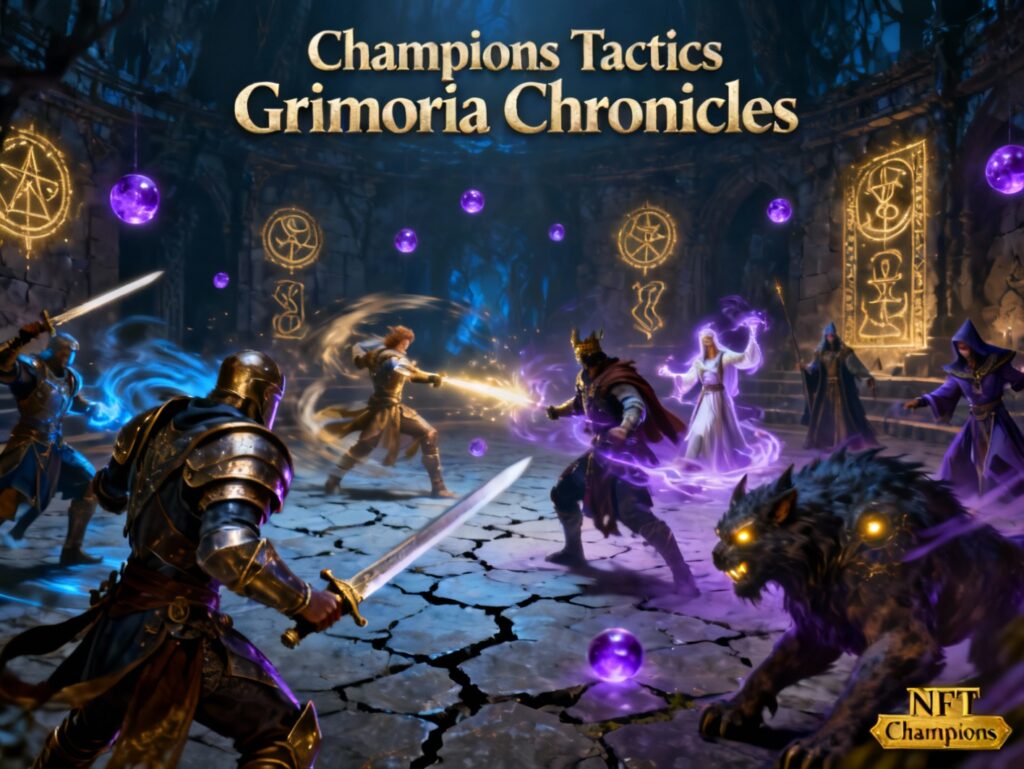
Set in the gothic and mysterious world of Grimoria, Champions Tactics Grimoria Chronicles is a tactical, turn-based RPG that integrates NFT technology at its very core. Players collect unique champions and form strategic squads to fight against opponents in competitive PvP battles. Each champion is represented as a digital figure, and building a team involves choosing complementary characters with diverse abilities such as magic, melee or support roles. The depth of strategy lies in the abilities and synergies between champions, challenging players to think beyond raw power.
What separates Champions Tactics from traditional games are the NFTs. Each champion figurine exists as a digital asset stored on the blockchain, giving players true ownership. These assets can be traded or sold in external and internal marketplaces, allowing the in-game economy to extend far beyond the game’s interface. Blockchain also ensures transparency, immutability, and decentralization, which enhances both competitiveness and player trust. By combining richly tactical gameplay and the unique capabilities of blockchain technology, Ubisoft offers a decentralized, player-empowered evolution of the RPG genre.
Ubisoft’s Journey into Blockchain Gaming
Ubisoft’s foray into blockchain didn’t begin with Champions Tactics. The company first revealed its interest with the introduction of Ubisoft Quartz in 2021. Quartz allowed players to own and trade Digits, cosmetic in-game items that were minted as NFTs on the Tezos blockchain. Though met with skepticism, particularly concerning usability and player benefits, it positioned Ubisoft as one of the first AAA publishers to explore NFT integration seriously.
Ubisoft’s motivation lies in its desire to innovate and adapt to changing technology landscapes. Blockchain offers possibilities for true digital ownership, persistent economies, and decentralized gaming experiences. Champions Tactics reflects a deeper commitment: rather than just cosmetic items, NFTs are now core to gameplay. With this game, Ubisoft is shifting from experimentation toward a full-scale blockchain gaming model. This transition represents not just a new title but a strategic evolution in how the publisher envisions the future of interactive entertainment, hoping to bridge the gap between crypto users and mainstream gamers.
Gameplay Mechanics and NFT Integration
At the heart of Champions Tactics Grimoria Chronicles lies a deeply strategic gameplay experience. Players must build a squad of three champions, each with unique attributes and roles. Each decision, from formation to ability activation, can drastically change the outcome of a match. Skill synergy and understanding of the enemy’s tactics can tip the scales in ranked and casual play alike.
The champions themselves are NFTs, and this adds a significant layer to the game. Players can obtain these NFTs via minting events, purchase them in marketplaces, or trade them with others. Every figurine is unique in its combination of aesthetics and battle stats. This system encourages players to invest time in finding the right champions and builds their squads based on tactical needs. It also introduces economic depth—players who invest in powerful NFTs or trade wisely can enhance their competitive edge.
By merging strategy and NFT-based ownership, Ubisoft creates a new kind of engagement, where time spent in-game can translate into tangible value. The decentralization of assets means players control and can benefit from their investments, shifting the paradigm of what it means to own and play in a digital world.
Market Dynamics and Player Reception
The marketplace for Champions Tactics NFTs is becoming increasingly dynamic. Prices range widely, with some common champions trading for lower amounts while rare figurines with unique abilities or visual aesthetics command high premiums. Factors such as character synergy, usability in meta strategies, rarity, and aesthetic appeal all strongly influence value.
Collectors and competitive players often drive demand for high-rarity champions. Limited mint events and seasonal availability maintain scarcity, keeping certain champions in demand. Secondary trading platforms facilitate liquidity, but marketplaces also serve as a direct reflection of community interest and the game’s evolving meta.
Community response is polarized. Enthusiasts applaud the idea of true asset ownership and the ability to monetize gameplay, seeing it as a step forward in gaming freedom. Critics worry about financial barriers to competition and the speculative nature of the NFT economy. This divide mirrors broader trends in gaming, where blockchain integration is still relatively new and not universally accepted. Despite differing opinions, it’s clear that Ubisoft’s implementation of blockchain assets in Champions Tactics has sparked meaningful discussion and shaped perceptions of gaming’s digital future.
Challenges and Controversies Surrounding NFT Gaming
While Champions Tactics introduces innovative features, Ubisoft faces several challenges. Environmental concerns top the list; blockchain networks, depending on the platform used, can be energy-intensive. Although Ubisoft chose eco-friendlier networks like Tezos, players remain cautious about the industry’s wider ecological footprint.
There’s also the worry over pay-to-win dynamics. As powerful champions can be bought or traded, players with deeper pockets may gain competitive advantages, potentially marginalizing free-to-play users. To mitigate this, Ubisoft must balance gameplay design to ensure that skill remains a primary factor in winning battles.
Lastly, ethical questions about digital asset ownership arise. While owning NFTs offers benefits, it also opens up vulnerabilities to scams and security breaches. Ensuring safe and transparent transactions is vital but remains a complex undertaking. These issues affect not only Champions Tactics but also Ubisoft’s broader reputation. The company now walks a fine line between innovation and responsibility, and its ability to address these concerns may dictate how receptive future audiences are to blockchain gaming.
The Future of Blockchain in Mainstream Gaming
Looking ahead, Champions Tactics serves as an early indicator of how blockchain might shape the gaming landscape. As developers continue to explore this technology, we may see an expansion of decentralized assets, where not only characters but in-game currencies, weapons, and even environments become tradable NFTs.
This shift could drastically change how games are developed. Rather than designing closed ecosystems, studios might lean into open-world economies where players dictate value. This could foster a more empowered player base, with the gameplay loop not only about fun but also potential profit and investment.
Blockchain also has implications for player engagement. Real value creation could keep players invested longer, while digital ownership introduces new motivations for participating and competing. However, success hinges on maintaining a balance between fun and finance. Champions Tactics, depending on its execution, may become a blueprint or a cautionary tale.
Whether this model spreads will depend on how both players and publishers navigate the risks and rewards. If done right, blockchain could redefine the rules of digital play and reshape the industry’s future.
Conclusions
Ubisoft’s launch of Champions Tactics Grimoria Chronicles is more than just a new game—it’s a signpost for gaming’s evolution. By fusing traditional tactical gameplay with the power of NFTs and blockchain entitlements, the company embraces a bold new vision for interactive entertainment. While the road ahead features technological, ethical, and environmental obstacles, this title opens a dialogue about what ownership and value mean in digital spaces. It’s a daring move that might inspire other publishers to reconsider how players engage with in-game assets. Whether it leads to a wider adoption or prompts reassessment, Champions Tactics solidifies Ubisoft’s role as a pioneer in the convergence of gaming and decentralized technology.